
Designed for the breadth of minimally invasive surgery.
Minimally invasive surgery spans a wide range of procedures, technologies, and clinical environments. Across these settings, surgeons interpret multiple signals to guide decision-making in real time. Sentiré's SENSai™ introduces chemical sensing as an additional source of intraoperative information to complement existing visual and mechanical feedback.
Where sensing matters most.
Sentiré's development efforts are focused on applications where additional intraoperative information may be particularly valuable.
GI Gas Monitoring
During certain procedures, gases associated with the gastrointestinal tract may be present within the surgical environment. Sentiré's SENSai is designed to identify and interpret these signals that may arise during certain intraoperative conditions.

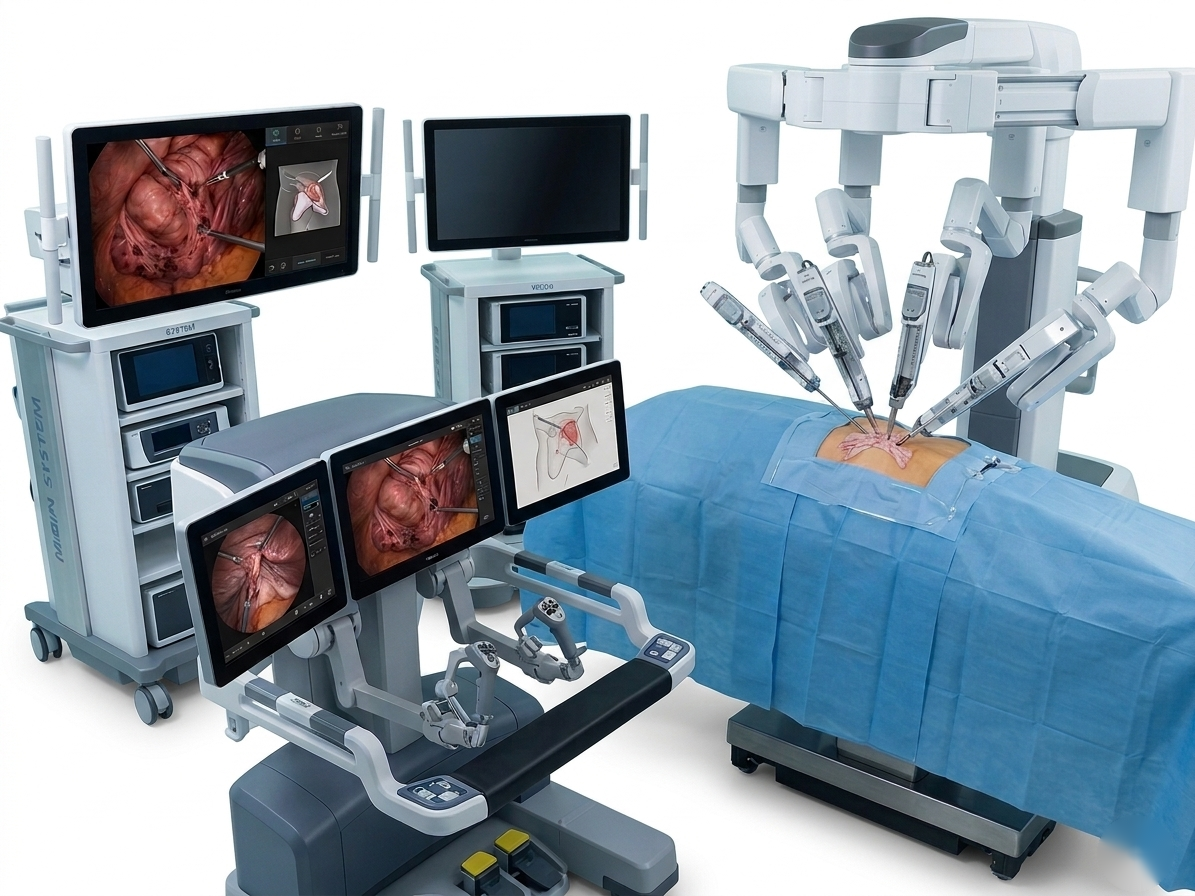
Robotic Assisted Surgery
Robotic platforms extend precision and control, while also creating distance between the surgeon and the operative field. Gas sensing is intended to integrate into these systems, contributing additional data without altering established workflows.
High Risk Procedures
Certain procedures involve increased complexity or variability in anatomy and conditions. Sentiré's SENSai can provide additional awareness in these environments.
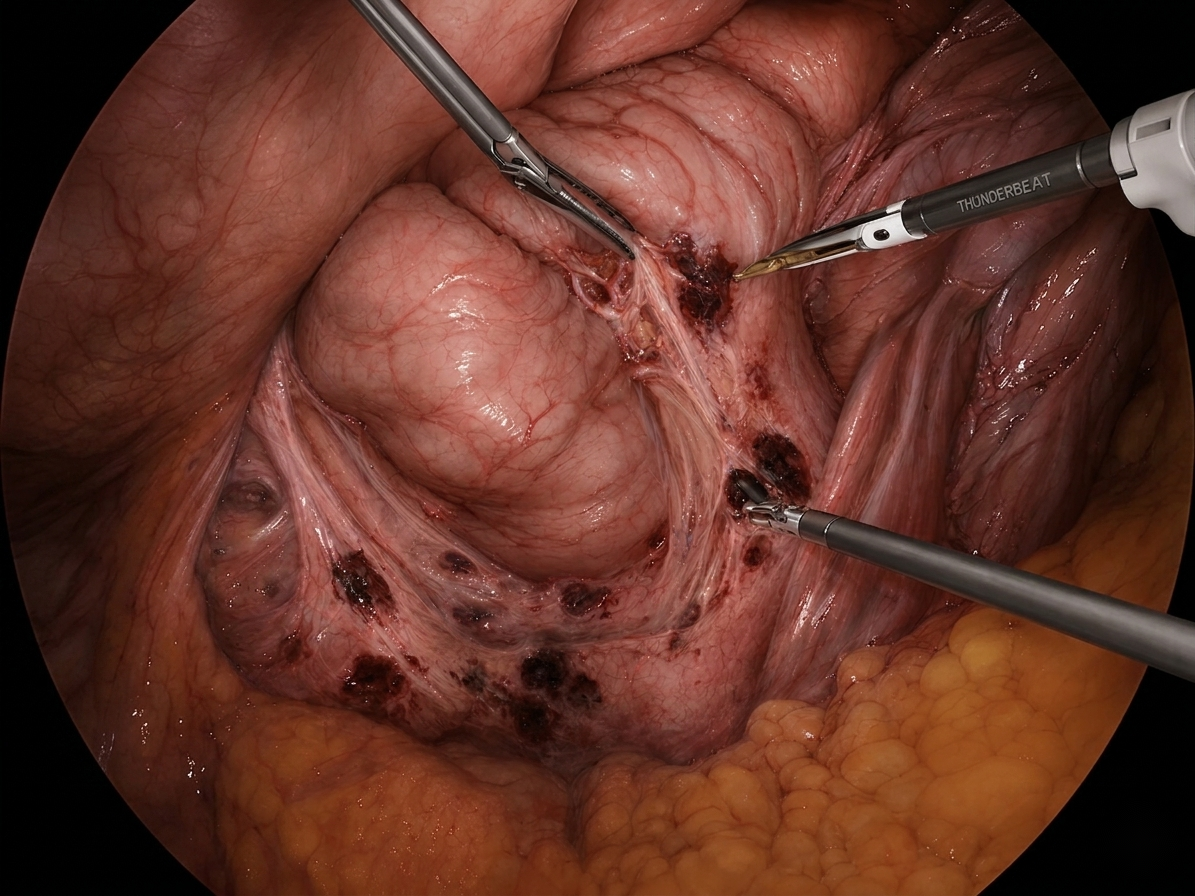
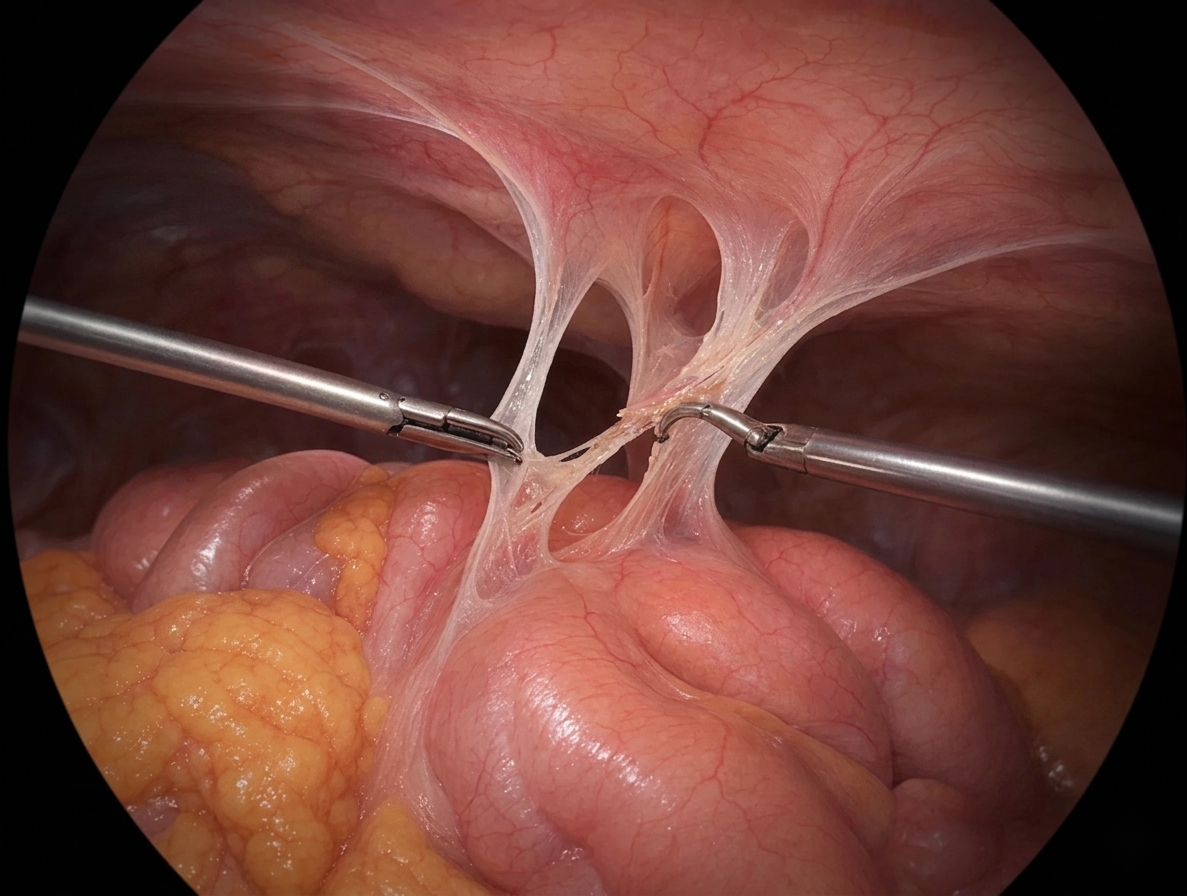
Adhesiolysis
Adhesiolysis can involve complex tissue planes, distorted anatomy, and limited visual cues. SENSai can provide an additional layer of intraoperative information during procedures where surgical conditions may be more variable or difficult to interpret.
Designed to work quietly in the background.
Minimally invasive procedures require surgeons to synthesize multiple forms of information in real time. By introducing chemical sensing, Sentiré's technology enhances the information available without increasing procedural complexity.